
What to do in case of dengue?
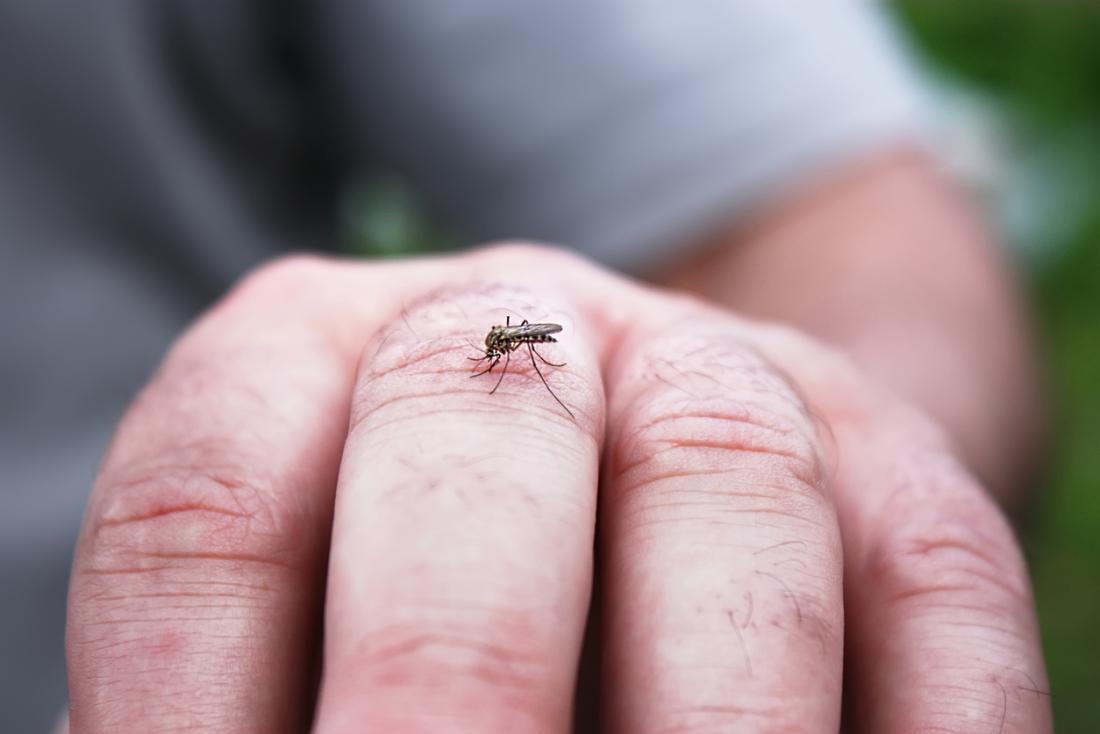
Symptoms of Dengue
- Mild symptoms of dengue can be confused with other illnesses that cause fever, aches and pains, or a rash.
The most common symptom of dengue is fever with any of the following:
- Nausea, vomiting
- Rash
- Aches and pains (eye pain, typically behind the eyes, muscle, joint, or bone pain)
- Any warning sign(read below)
Symptoms of dengue typically last 2–7 days. Most people will recover after about a week.
Treatment
- There is no specific medicine to treat dengue.
- Treat the symptoms of dengue and see your healthcare provider.
People asked about dengue:
*What should I do if I have dengue?
*Do and don'ts in dengue?
Which organs are affected by dengue?
How many days does it take to recover from dengue?
The time to combat dengue surge is now
One of our worst fears of current times is too close to realisation for comfort, as the cases of dengue infections keep rising. The last major dengue upsurge was in 2019—when 101,354 people had contracted the virus and at least 179 had died—and the situation this year appears to be even more frightening given the accompanying Covid-19 pandemic and how it has all but crippled our healthcare system.
In case of the dengue surge, the numbers from the Directorate General of Health Services (DGHS) speak for themselves. For instance, in May, there were only 43 hospitalised dengue patients. The number shot to 272 in June, and to an alarming 2,286 in July. Besides, it has also been observed that most of the patients are in Dhaka. Of the 218 people hospitalised with dengue in the 24 hours till Thursday morning, only 10 were from outside Dhaka.
What's worse is that the particular variant of dengue which has been prevalent this year is Serotype-3. According to experts, this variant is one of the more dangerous ones and increases mortality risks in infected patients. Since the dengue surge began last month, we have tried to highlight the severity of this situation given that it is deteriorating at a time when the deadly Delta variant of the coronavirus is also sweeping across the country. If a patient becomes infected with both viruses, not only will it increase their chances of mortality, but their recovery will also be challenging as the treatment for one may interfere with that for the other.
In order to combat the dengue virus, there are no better alternatives to early detection and hospitalisation. Apart from the city corporations' spraying of larvicides/insecticides, citizens should also make sure to not store water (clean or stagnant) anywhere for more than a few days at a time, so that Aedes larvae do not get the chance to breed.
We commend the DNCC's initiative of arranging free dengue testing facilities at 46 centres across its territory. However, we would also like to stress the importance of making similar arrangements elsewhere in the country, especially in all other parts of Dhaka where the concentration of this virus seems to be the most widespread. Testing facilities alone are also not enough to combat the dengue virus. Given the ever-worsening Covid-19 situation, authorities' top priority right now should be to bulk up healthcare resources—and to assist our already overburdened doctors and healthcare staff—in any way possible. We would urge the government to handle the dengue epidemic more seriously than it has done so far, because the challenge is huge and the consequence could be catastrophic if not handled with the urgency it demands.

Rise in dengue cases in Dudhia foothills sparks concerns
© Provided by The Statesman Rise in dengue cases in Dudhia foothills sparks concernsA rise in dengue cases at Dudhia on the foothills near Siliguri has sparked concerns among all. Around 15 positive cases of the virus have been reported there in the past few days, officials said. It is learnt that health workers are implementing measures to control the spread of the virus, such as destroying mosquito larvae, killing adult mosquito and checking breeding of mosquitoes in stagnant water.
According to sources at the health department, around 15 persons had been affected by dengue in the last fortnight. Also, they said that the Dudhia and surrounding areas had been recording 1012 cases of Covid-19 in the past few weeks, but that the same was “under control” now.
A total of 24 dengue cases have been detected in Darjeeling district, including the Siliguri Municipal Corporation area, rural areas in the Plains and some blocks in the Hills, this year. Health department officials said early testing of blood samples has helped in detection of dengue cases.
“It is a matter of concern that such a large number of dengue cases has been found from the same place on the foothills of Darjeeling when the situation in other areas in the district is satisfactory so far. Till a few years ago, there was hardly any mosquito density in the Hills. Steps are being taken to prevent a dengue outbreak, and we are taking measures to ensure that the cases do not rise, given the current pandemic situation,” said a senior health department official.
Sources said most of the cases were found after 10 July. Officials associated with vector control programmes said Dudhia, 26 km from Siliguri, under the Kurseong Sub-Division, sees migration of people in the area, and that it could be one of the key factors in the spurt.
Steps are being taken under the supervision of the deputy chief medical officer of health-II, Darjeeling, Dr Tulsi Pramanik, it is learnt. Around 100 blood samples of fever patients had been sent for the IgM-Elisa test at the Siliguri District Hospital.
Awareness programmes were conducted involving 2100 households, sources said. According to Dr Pramanik, after examining the adult mosquitoes trapped in the ‘light trap’ and larvae, it was found that the mosquito was the Aedes albopictus (Stegomyia albopicta) species. A dengue transmitter Aedes albopictus can exist in cold temperatures in the region of the foothills. The mosquito is found in the sub-Himalayan region. Most of the mosquito is found in the stagnant waters on the roofs of houses.
“We are keeping a close watch and our target is to reduce the number of cases to zero. We are sensitizing the people,” Dr Pramanik said. Sources said the larvae of Aedes albopictus were found in flower pots and unused tyres. There were at least 17 roof tops where stagnant water was found.
“We had focused on early detection of cases based on tests and treatment. Vector control team activities are underway, and daily spraying and awareness campaigns to remove stagnant water are being conducted,” said the Kurseong block medical officer of health, Dr Hasibul Mullik.
“Amidst Covid-19, if there is an outbreak of dengue the situation will become serious. People should not allow accumulation of water and have mosquito breeding grounds,” said a health department official associated with the vector-borne disease control programme.
Comments
Post a Comment